
01 / Multi-robot perception
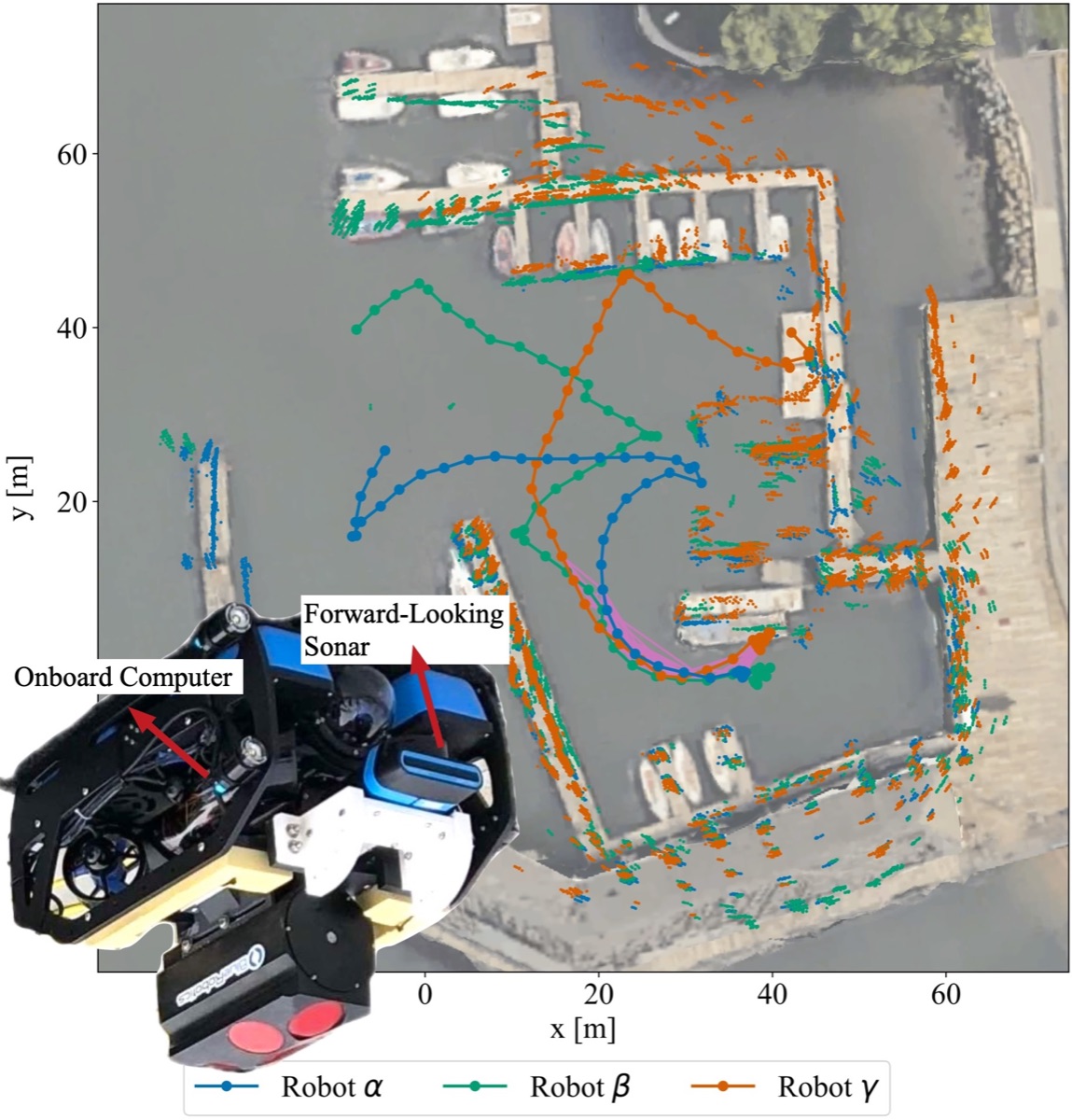
DRACo-SLAM2: Less
acoustic communication.
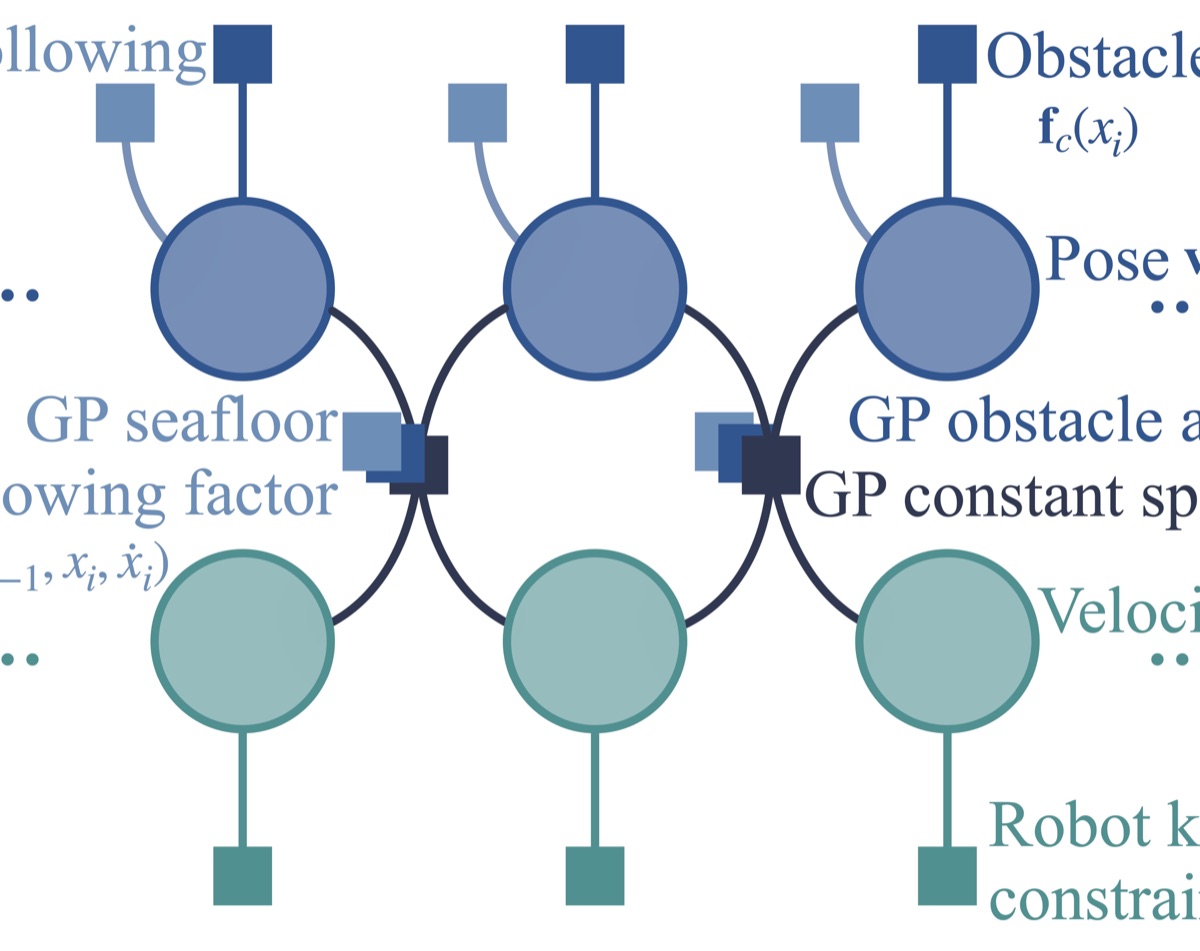
DRACo-SLAM2 uses object graph matching to support distributed sonar SLAM with communication-efficient maps.
IROS 2025
Robotics · Perception · Autonomy
Autonomous navigation in
extreme environments.
How can robots efficiently and reliably explore harsh environments?
Postdoctoral researcherComputer Science · Dartmouth College
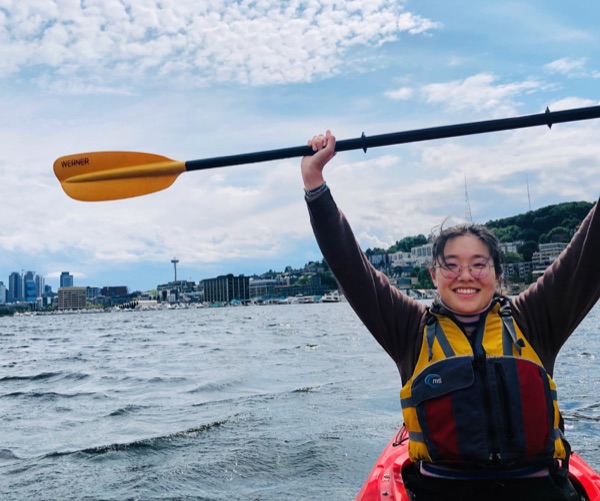
My research connects autonomous perception, mapping, and decision-making with the challenges of deploying real robots.
I am a postdoctoral researcher in the Reality and Robotics Lab at Dartmouth College, advised by Prof. Alberto Quattrini Li. I received my Ph.D. in Mechanical Engineering from Stevens Institute of Technology, advised by Prof. Brendan Englot. My training began at Tongji University in Shanghai, where I earned a master’s degree in Surveying Engineering and a bachelor’s degree in Geo-Information Systems. I was advised by Prof. Tiantian Fen and Prof. Junqiao Zhao.
My goal is to enable autonomous robots to support underwater infrastructure maintenance and monitor offshore ecosystems. My interest in marine environments also comes with a love of sharks and an ongoing collaboration with my longtime collaborator, Yicheng (Bear) Huang, an earth scientist at Pacific Northwest National Laboratory.
02 / RESEARCH
How can robots work effectively under uncertainty and limited communication?
01 / Multi-robot perception
DRACo-SLAM2 uses object graph matching to support distributed sonar SLAM with communication-efficient maps.
IROS 2025
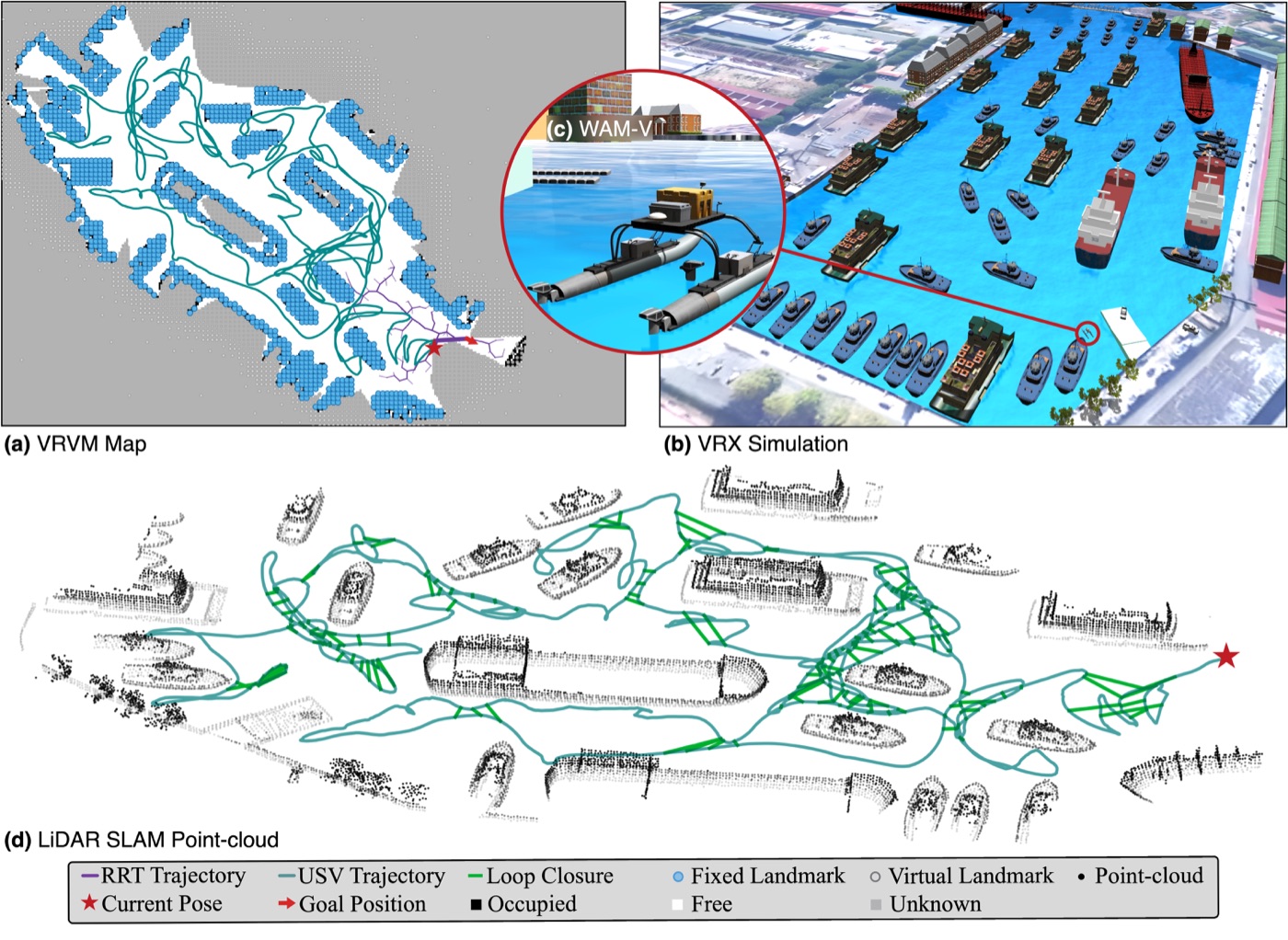
02 / Autonomous exploration
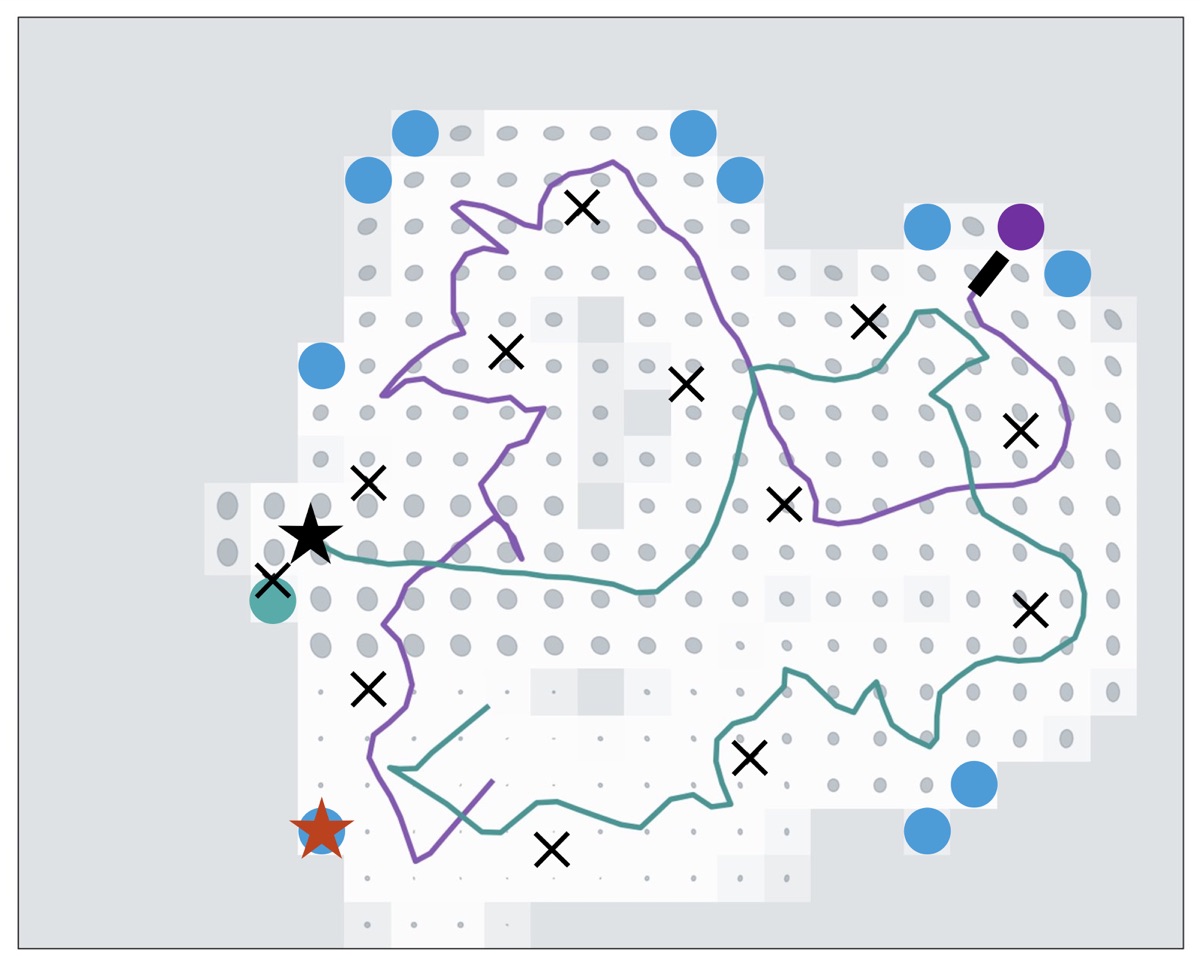
Variable-resolution virtual maps guide surface vehicles through uneven offshore environments while accounting for uncertainty.
Preprint · Under review
03 / IN THE FIELD
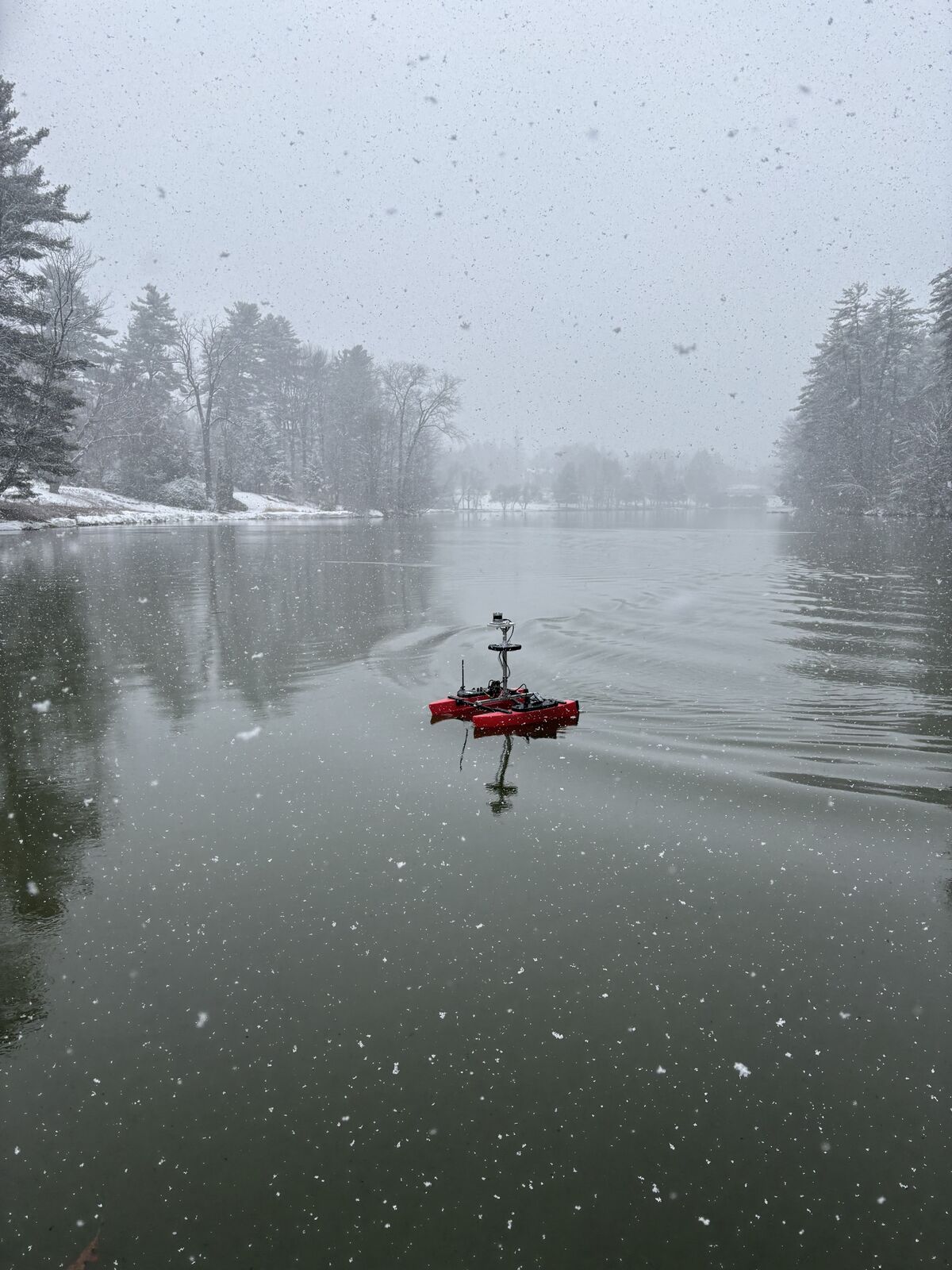
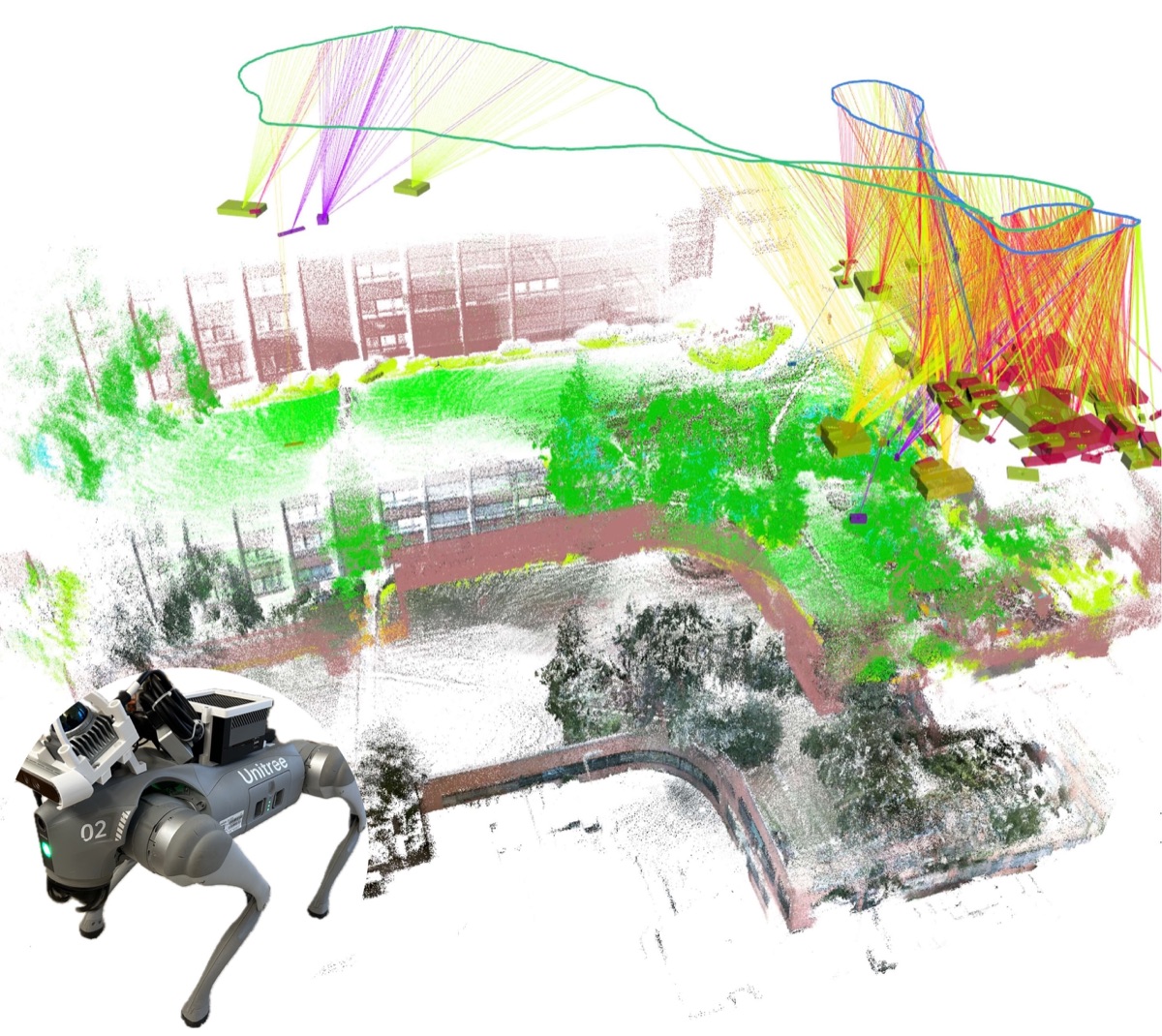
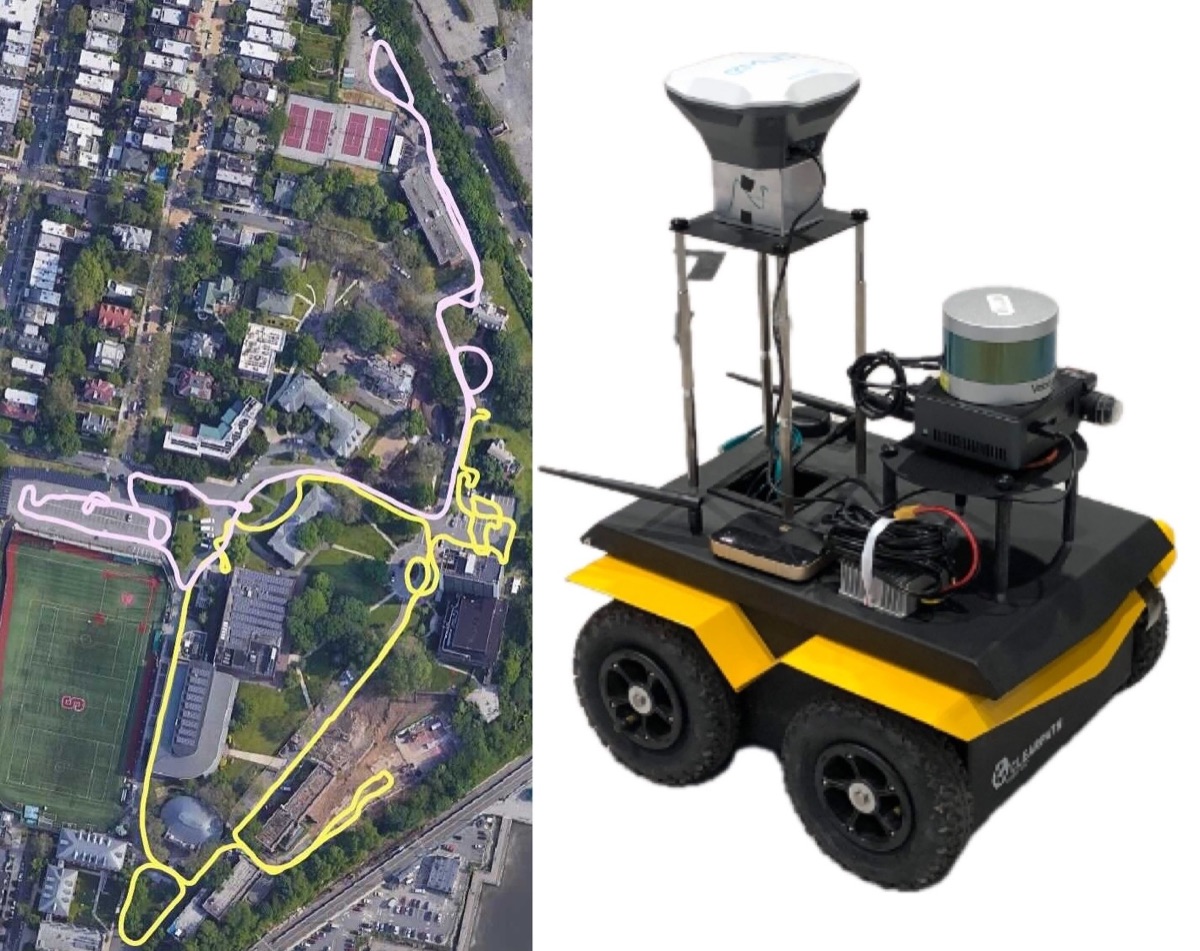
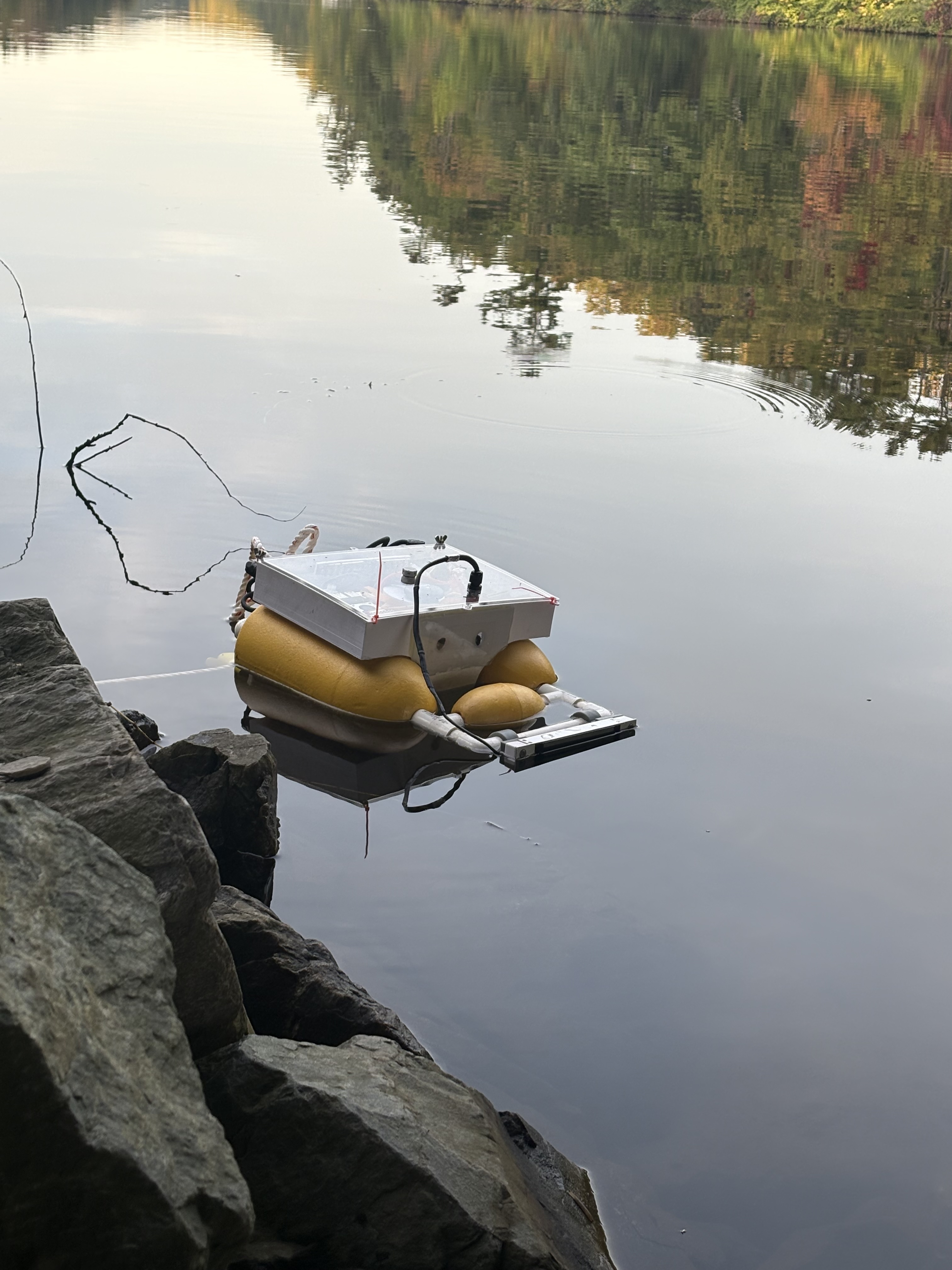
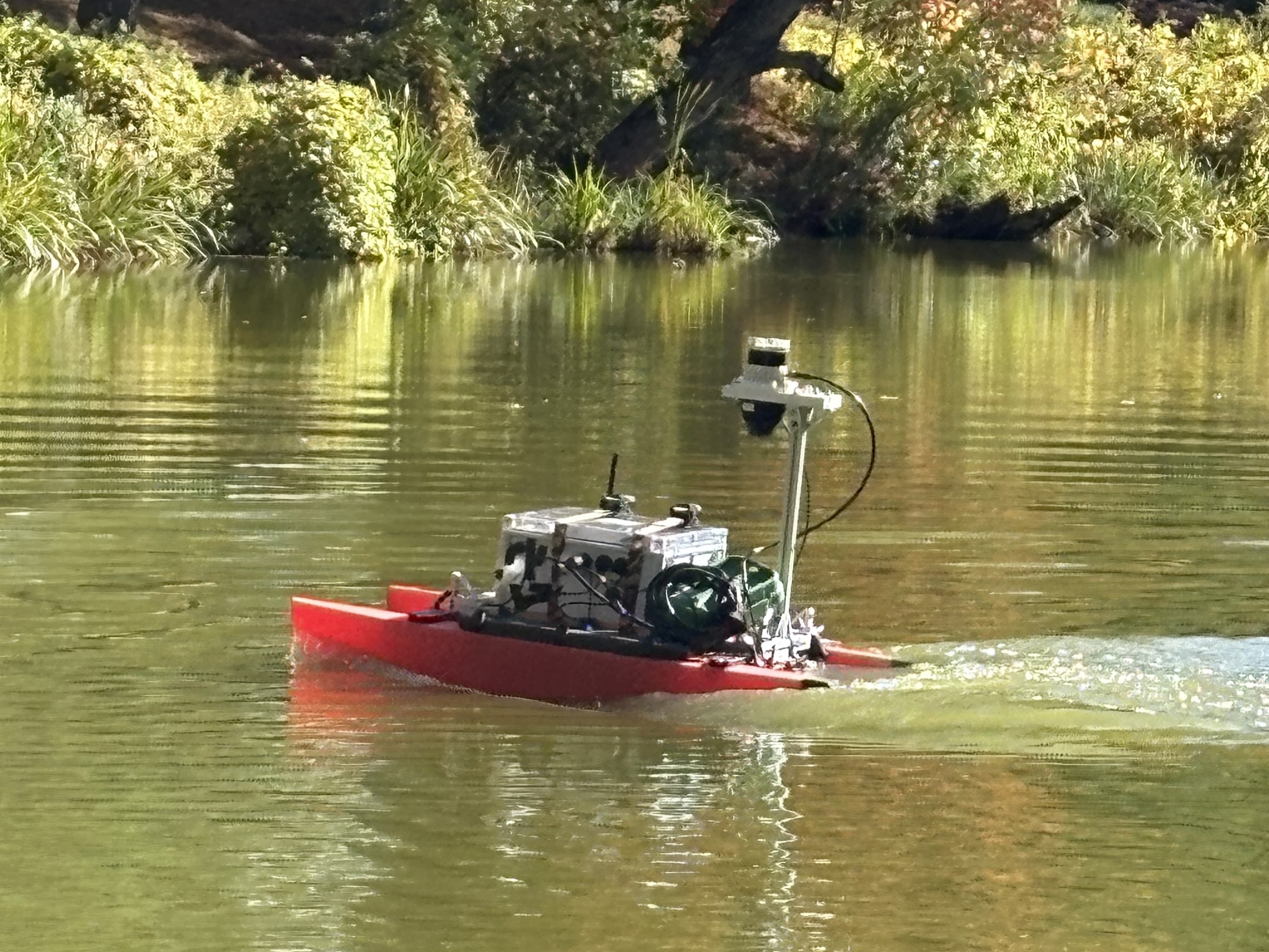
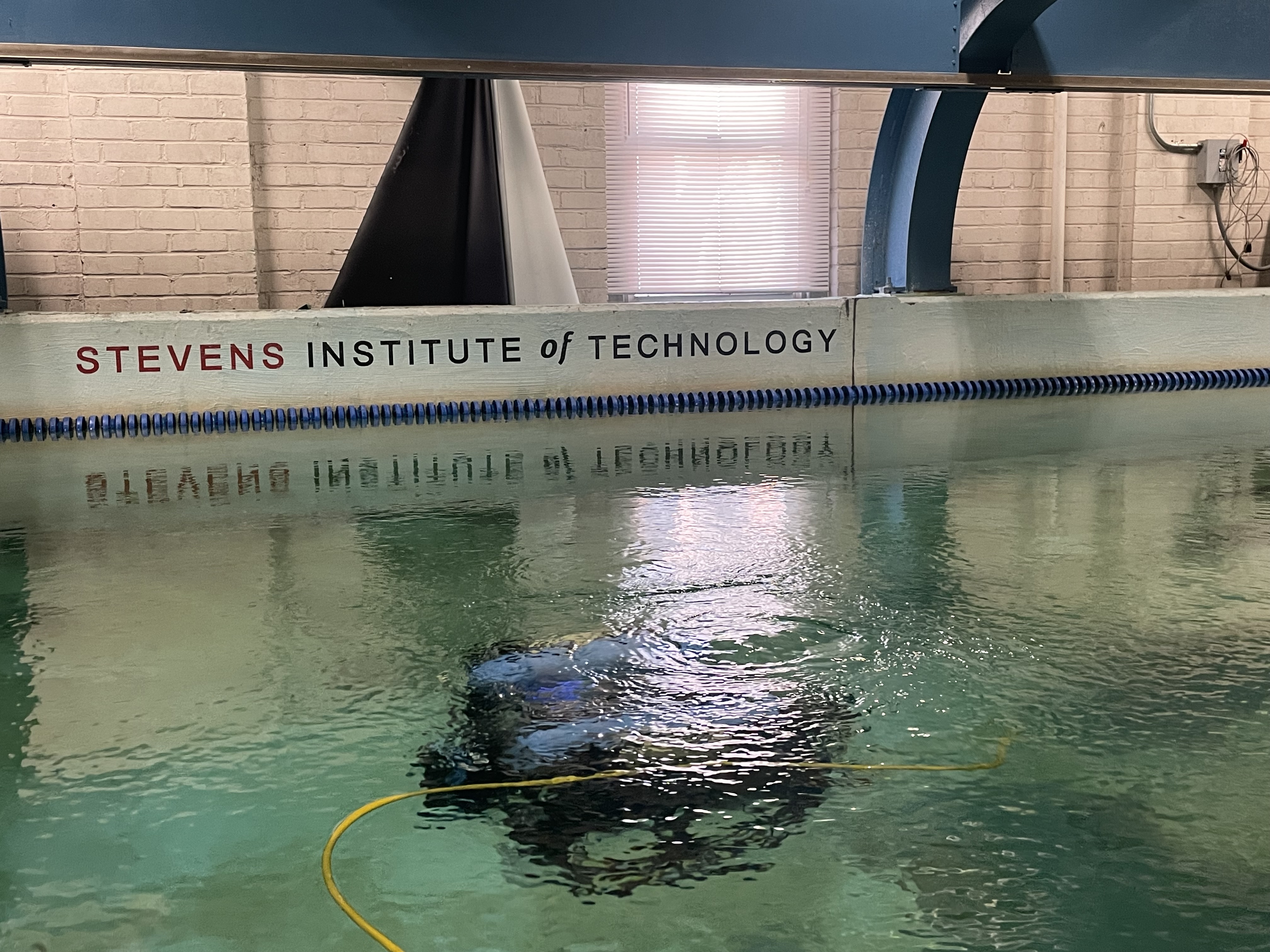
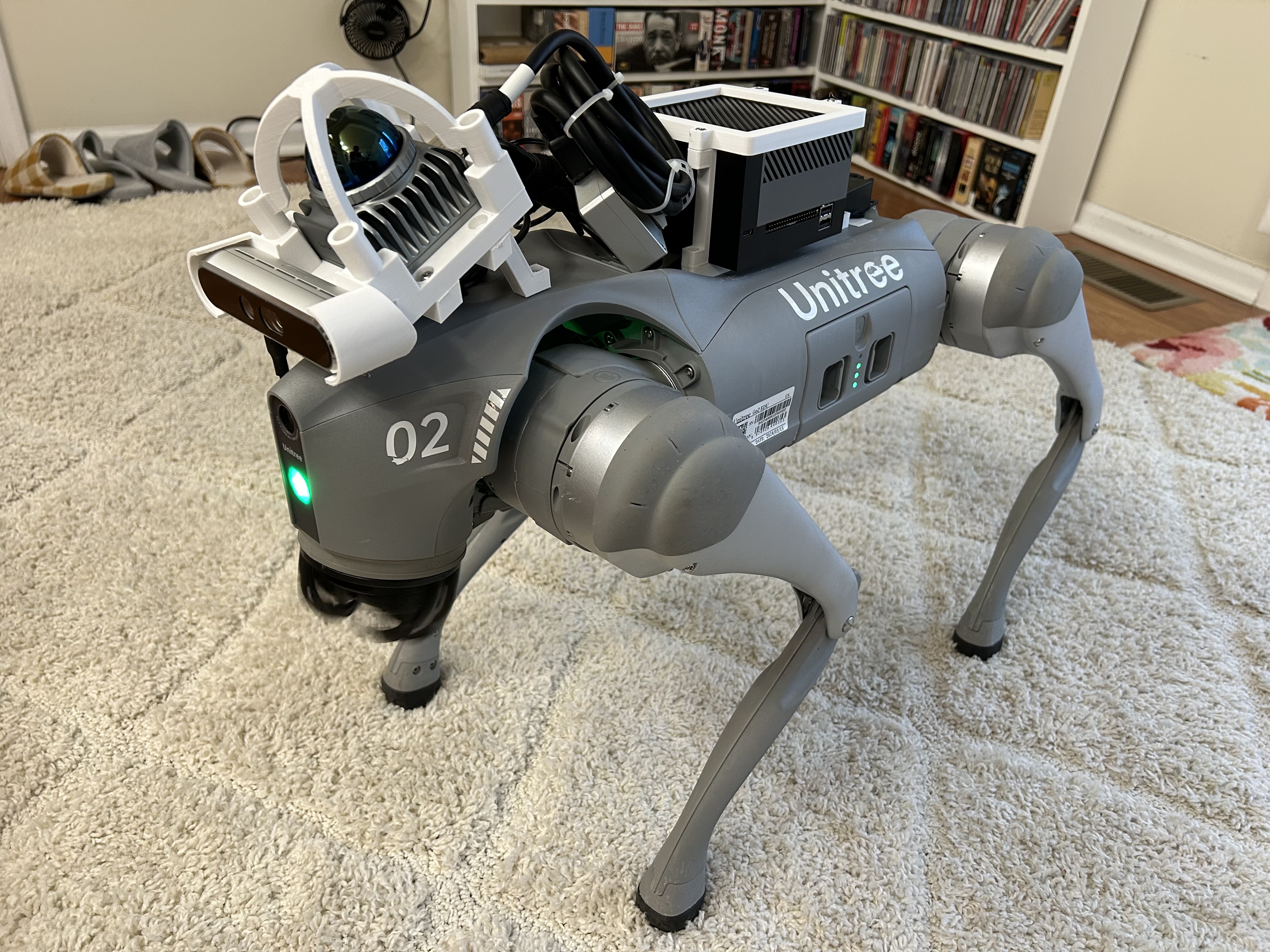
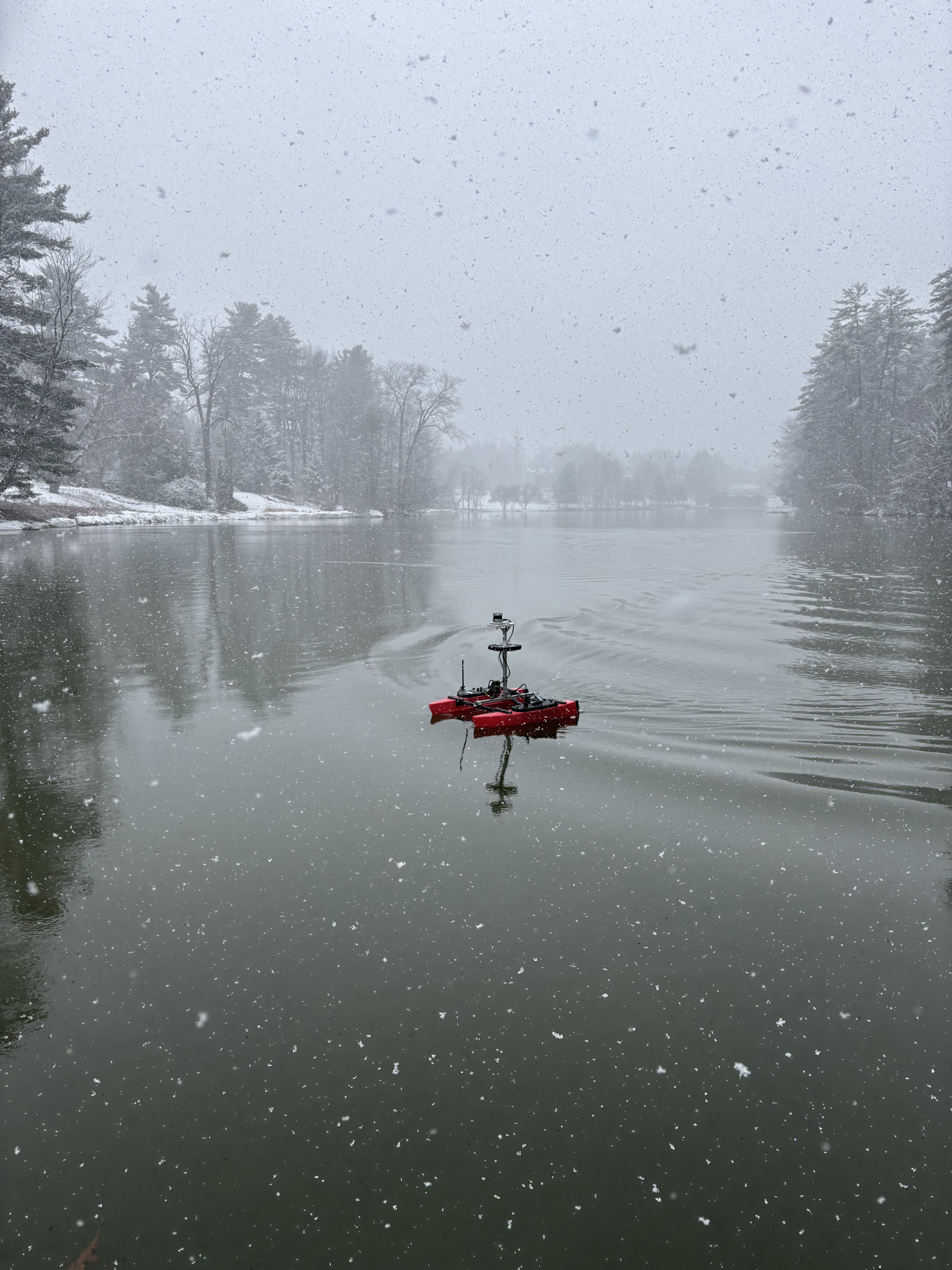
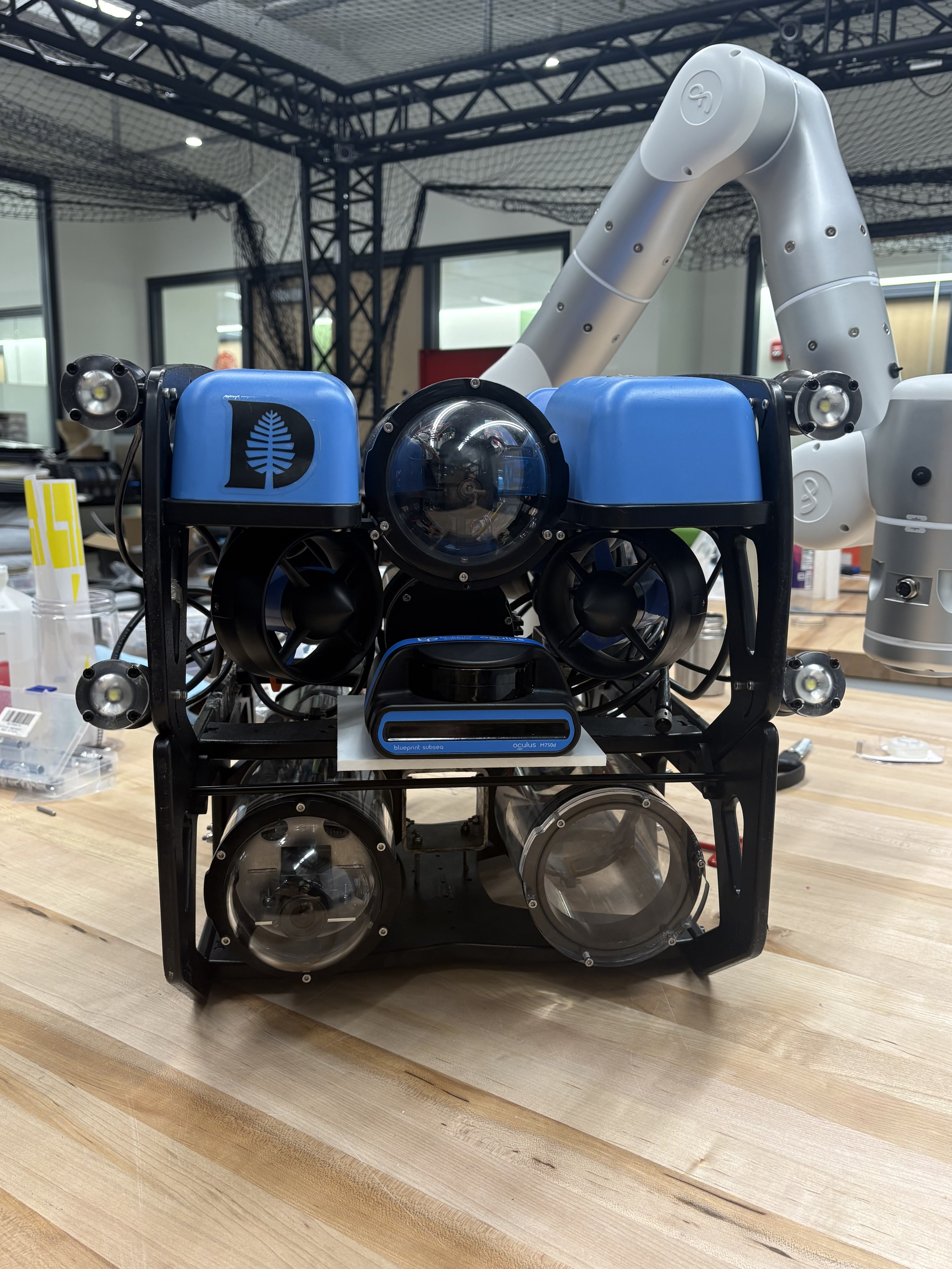
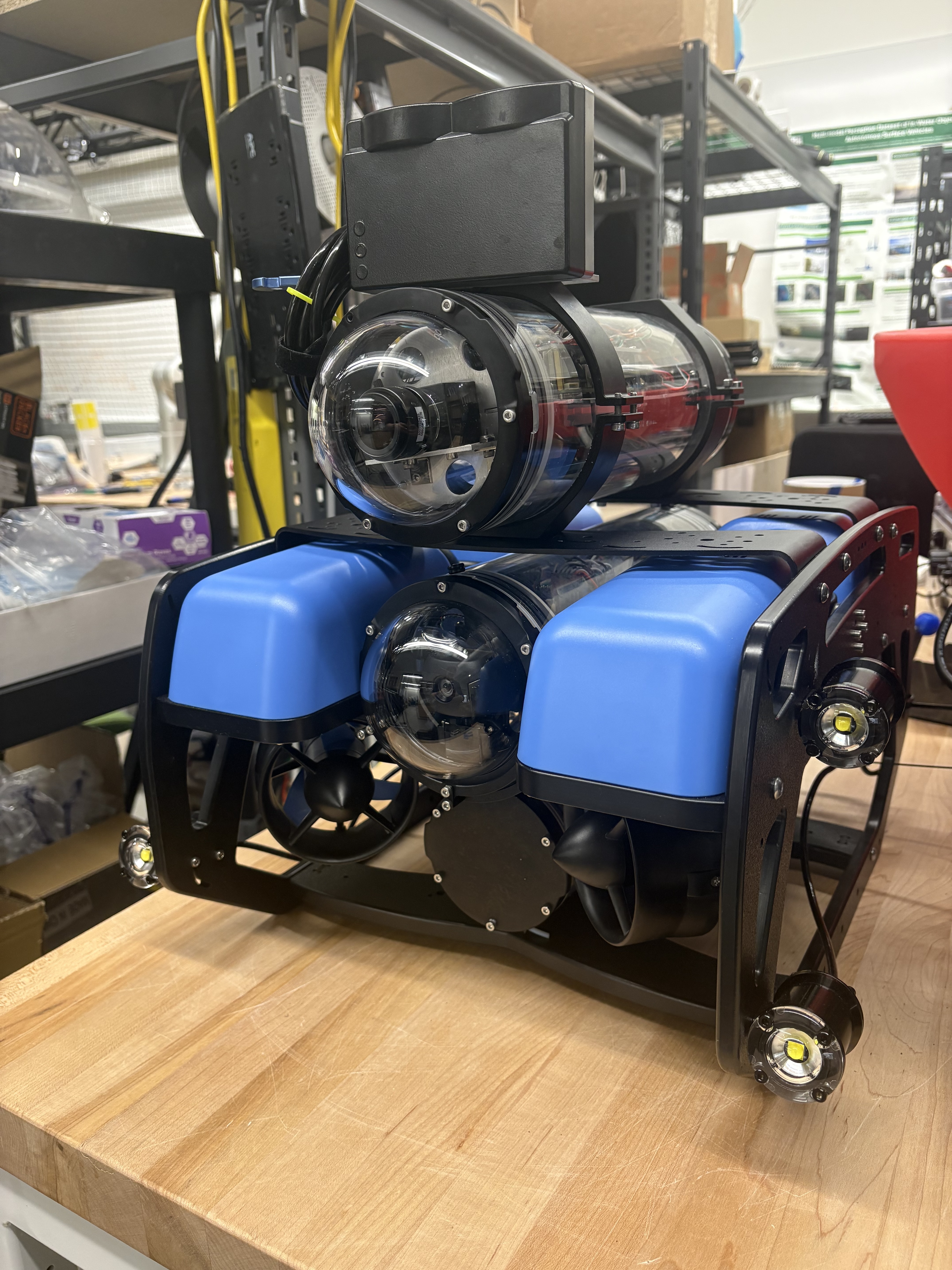
I’m fortunate to work with these robots.


04 / SELECTED PUBLICATIONS
C. Burgul, X. Zhao, Y. Huang, M. Chatzispyrou, A. Quattrini Li, and I. Rekleitis
IEEE/RSJ International Conference on Intelligent Robots and SystemsC. Burgul, Y. Huang, M. Chatzispyrou, I. Rekleitis, A. Quattrini Li, and M. Xanthidis
IEEE International Conference on Robotics and AutomationY. Huang, J. McConnell, X. Lin, and B. Englot
IEEE/RSJ International Conference on Intelligent Robots and SystemsY. Huang, X. Lin, and B. Englot
IEEE International Conference on Robotics and Automation05 / TALKS
Seminars, invited talks, and classroom presentations.
Oak Ridge National Laboratory · Coming soon
Virginia Tech · AOE 4984 Robot Perception
Dartmouth College · COSC 81/281 Principles of Robot Design and Programming
Stevens Institute of Technology · ME 656 Autonomous Navigation for Mobile Robots
University of Connecticut · Environmental Engineering Seminar
University College London · Invited talk (virtual)
Maryland Robotics Center · Future Leaders in Robotics and AI Seminar
06 / RECOGNITION
Honorable Mention, inaugural IEEE RAS Women in Engineering Best PhD Award in Robotics and Automation
Maryland Robotics Center: Future Leaders in Robotics and AI
Paul Kaplan Award for Distinguished Doctoral Work upon Graduation
Stevens Excellence Doctoral Fellowship
Stevens Provost Doctoral Fellowship
Get in touch
For research conversations and collaboration.